Louis-Désiré Blanquart-Évrard
1802–1872 · France
Paper photography between invention and the family portrait.
Explore 2 works ↓Life and work ↓Work and source
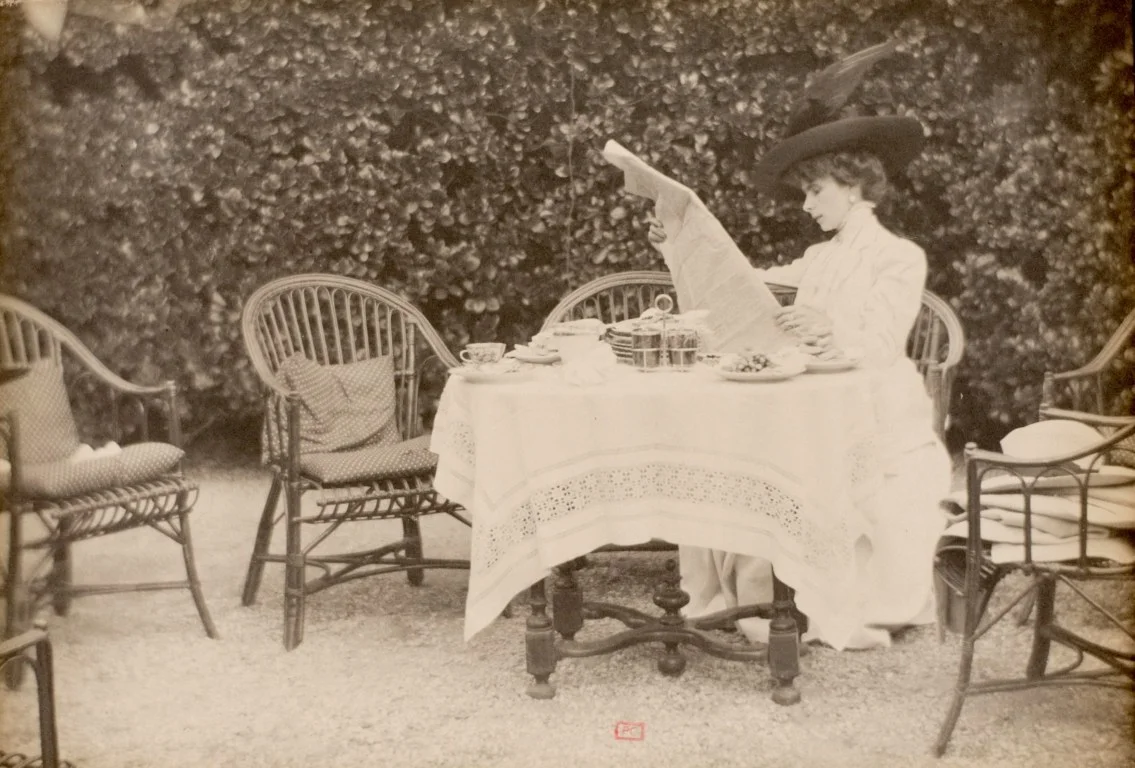
Referenced work : Portrait of His Daughter Reading · ca. 1847 · Louis-Désiré Blanquart-ÉvrardOfficial work ↗A journey through images.
Available photographs can be enlarged.
Work and source
Referenced work : [The Artist's Wife and Daughter] · 1846–49 · Louis-Désiré Blanquart-ÉvrardOfficial work ↗Each photograph links to its portfolio or collection record. Titles, dates and credits are retained when supplied by the source.
The story
Louis-Désiré Blanquart-Évrard played an important role in developing and disseminating nineteenth-century paper photography. His name is associated with printing processes and the production of prints intended for circulation. Portraits of his daughter and family reveal a more intimate dimension of this technical history: photography also offered a way of looking at loved ones and their gestures.
The selection preserved at the Metropolitan Museum of Art allows two works to be examined: Portrait of His Daughter Reading, [The Artist's Wife and Daughter]. The records identify the following techniques: Salted paper print from paper negative. This information distinguishes the moment of exposure, the process and the preserved object.
Understanding the work
Observe reading, hands and the arrangement of figures within the interior. The paper’s softness and tonalities connect people with their setting without isolating them completely.
Key works and series
Portrait of His Daughter Reading (ca. 1847) ; [The Artist's Wife and Daughter] (1846–49). The museum records specify each print’s process, dimensions, provenance and accession number.