Du silence des paysages aux rencontres de la rue : des photographes présentés sur l’Instagram de Luisour. Leurs univers, leurs comptes officiels et nos pistes pour regarder.
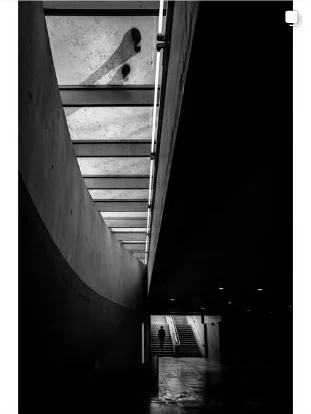
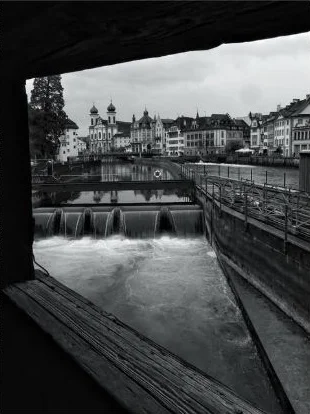
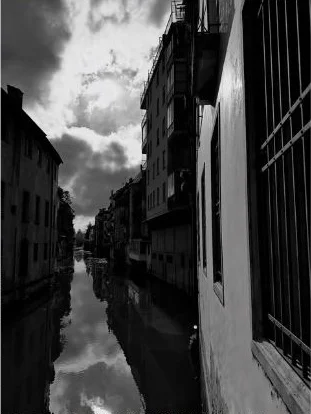
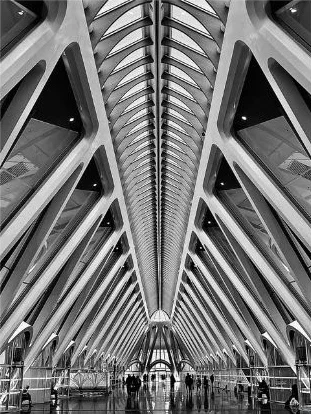
Architect and photographer Julia Anna Gospodarou develops a structured reading of volumes and landscapes. Contrasts and gradients in her monochrome work bring spatial relationships forward. Compare a bright facade and a dark one: can you still identify their materials?
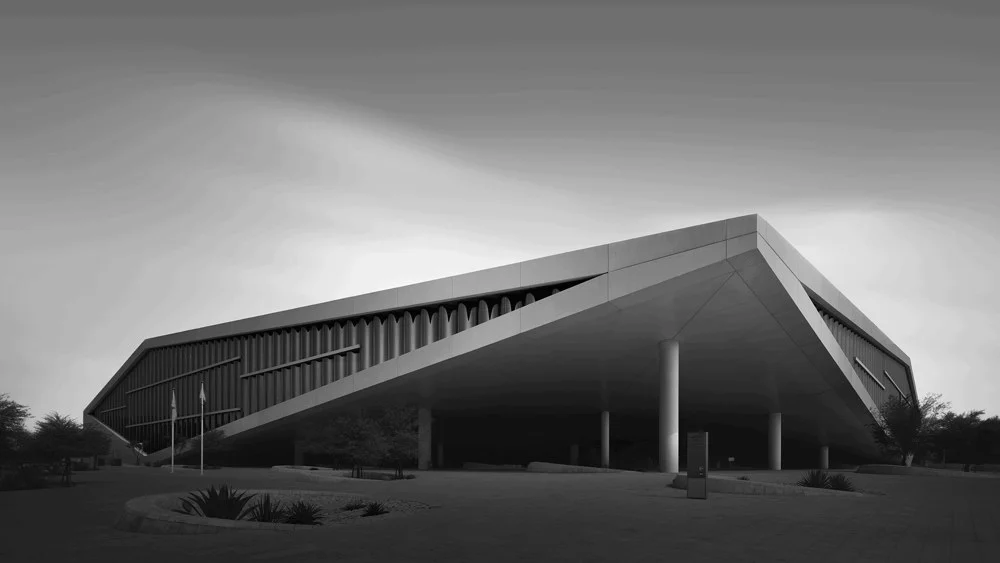
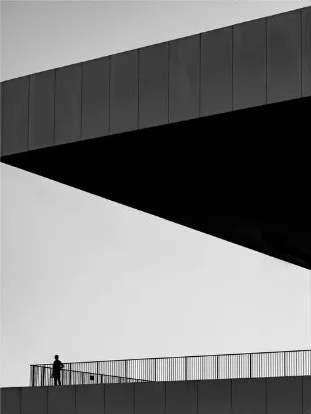
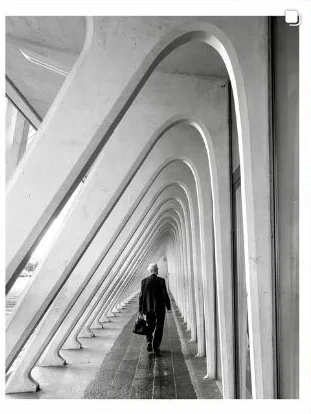
Joel Tjintjelaar treats buildings as relationships between lines, surfaces and light. His monochrome work emphasises volumes and transitions between bright and dark masses. Follow the vertical lines and notice how they guide your eye.
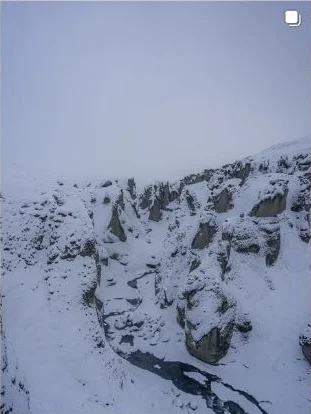
Rohan Reilly photographs landscapes in which snow, water and mist soften familiar markers. Trees and structures punctuate large, quiet surfaces. Mentally move the subject to the centre: what did the original framing achieve?
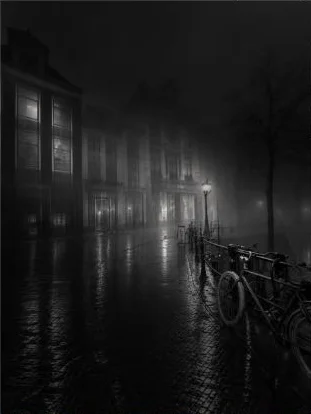
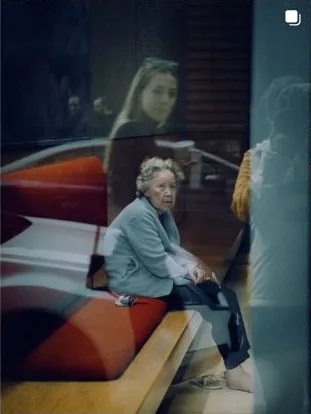
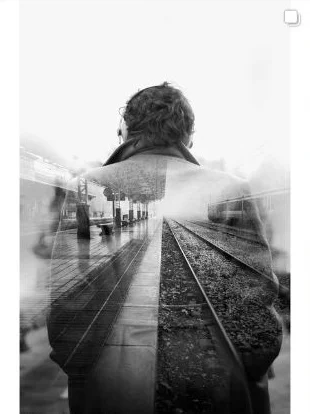
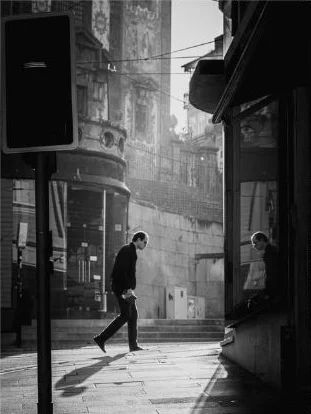
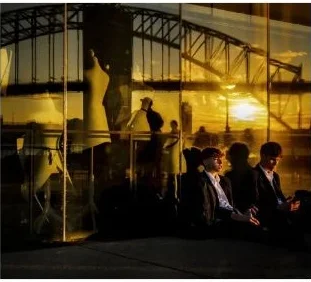
Les vitres, les présences humaines et les contrastes donnent plusieurs lectures à la scène. Les vitres, les présences humaines et les contrastes donnent plusieurs lectures à la scène.
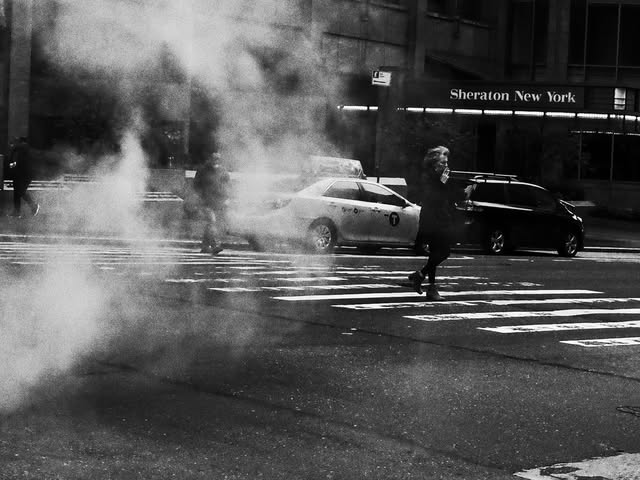
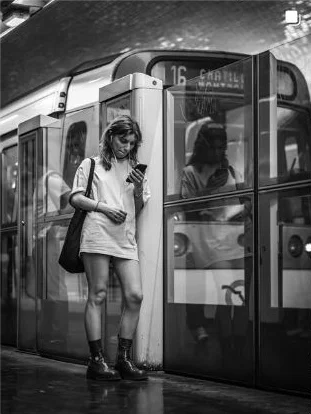
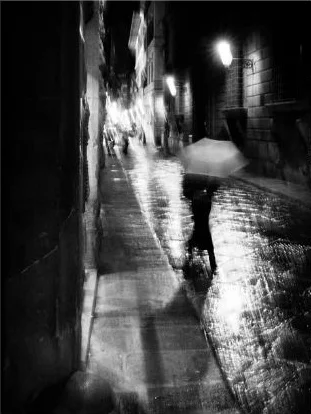
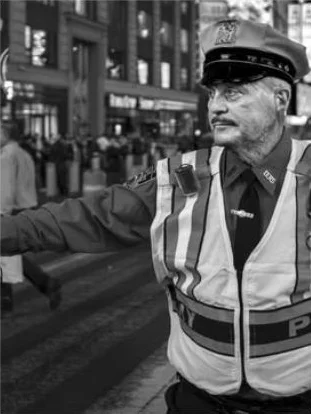
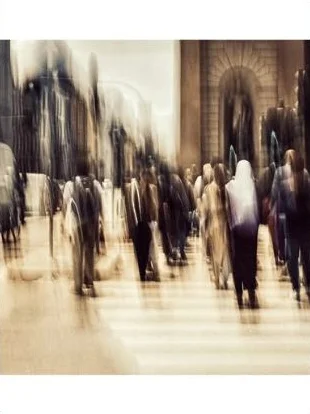
Les passants, les reflets et les détails quotidiens construisent un récit de rue. Les passants, les reflets et les détails quotidiens construisent un récit de rue.
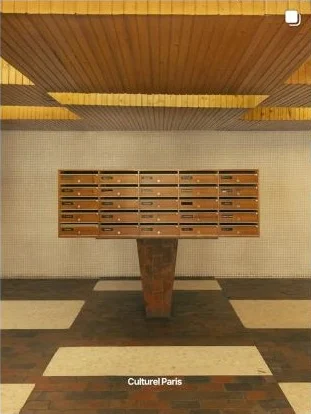
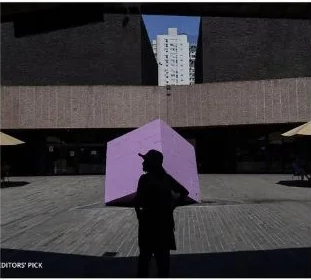
Romain Laprade observes architecture, passages and details of the built environment. Coloured surfaces and light create places with a suspended sense of time. Find the colour that structures the space rather than the one that first attracts you.
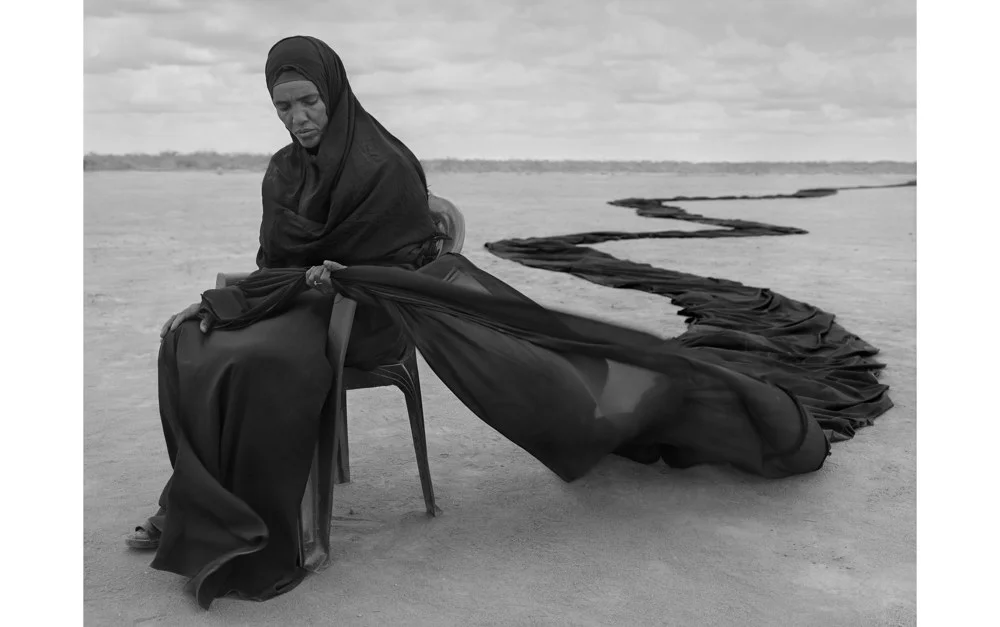
Nick Brandt’s work connects human and animal presences with the places they inhabit. His compositions invite us to read subjects, landscapes and environmental change together. Read what the setting tells you before returning to the subject’s face or body.
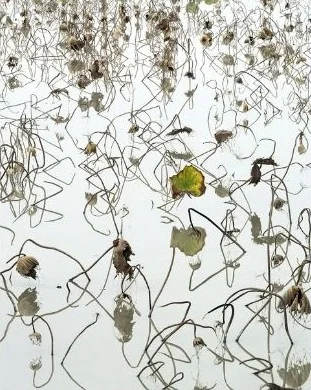
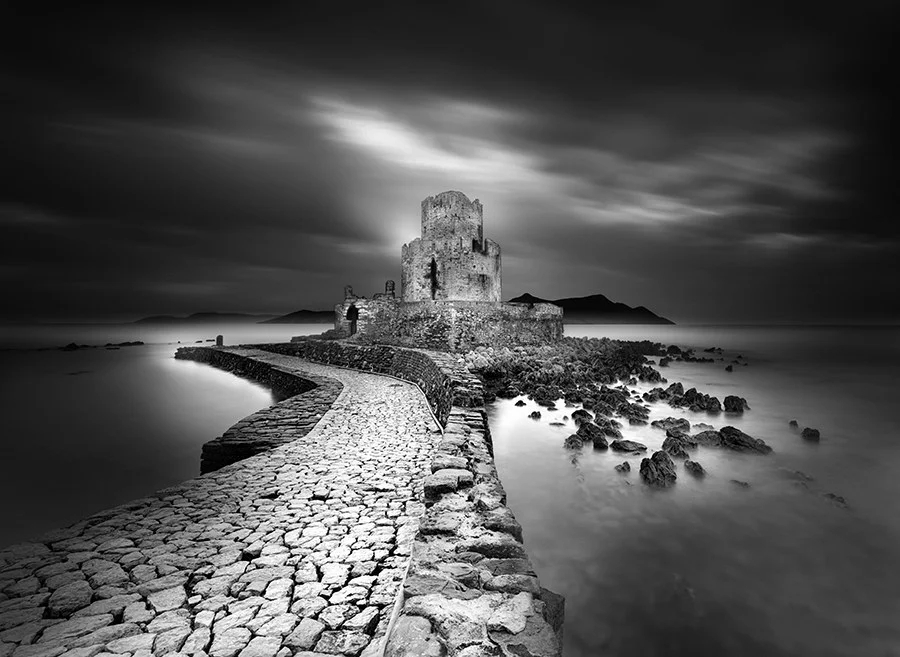
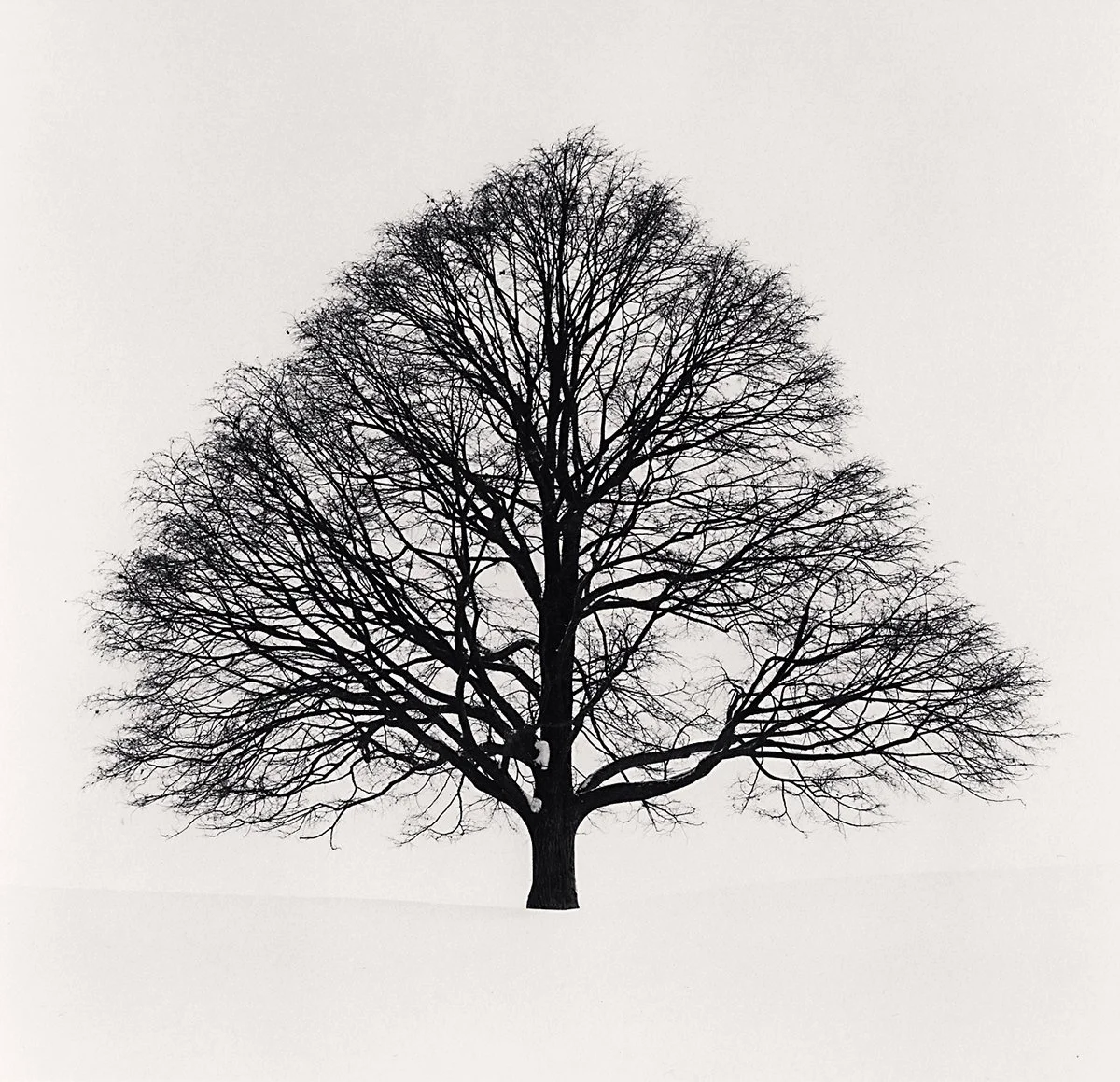
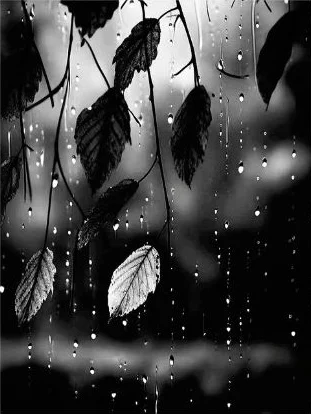
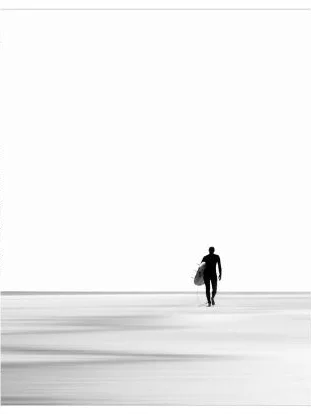
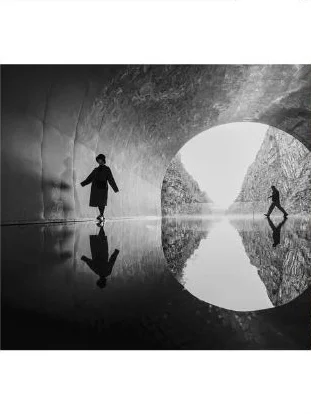
Vassilis Tangoulis creates landscapes in which water, trees and isolated objects become almost abstract. His monochrome portfolio explores tonal transitions and spare compositions. Observe the boundary between a soft surface and a sharp element: it often structures the whole picture.
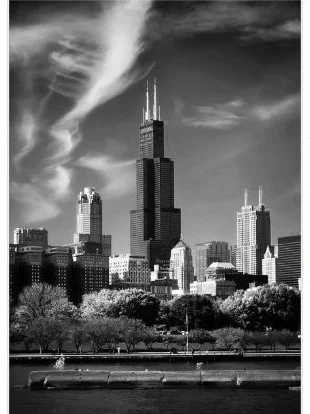
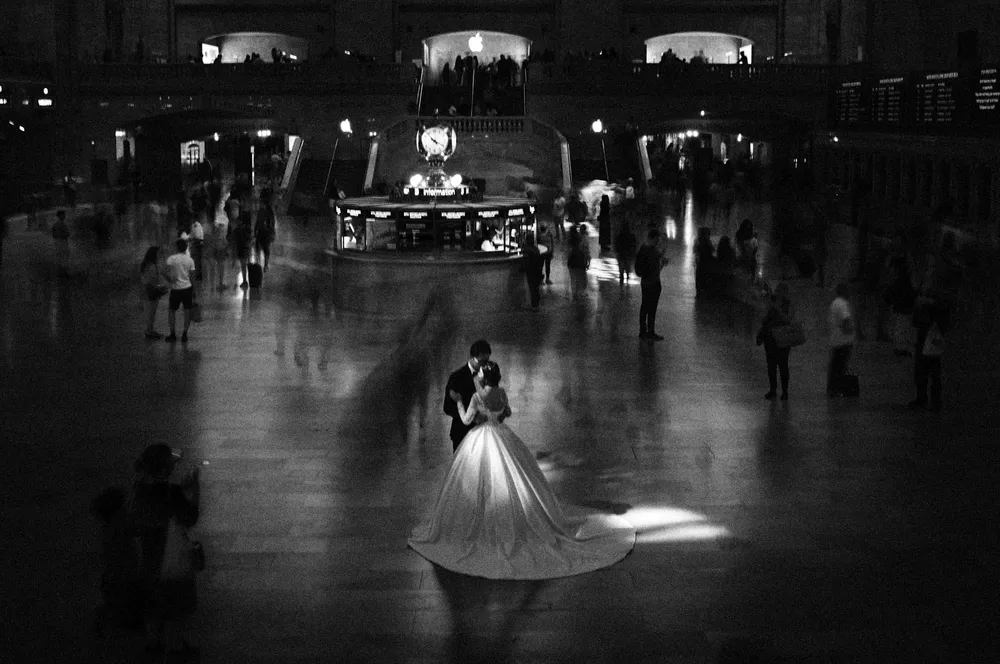
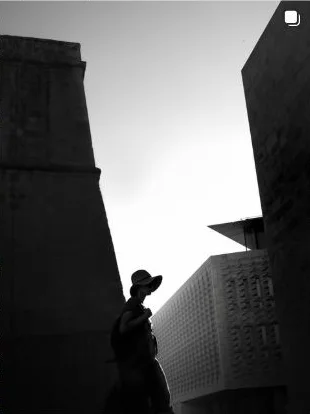
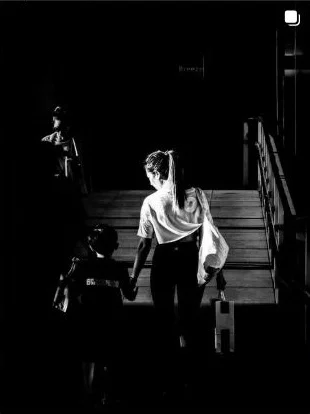
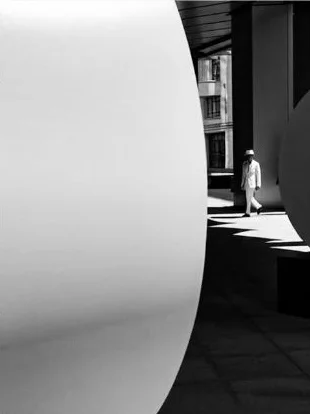
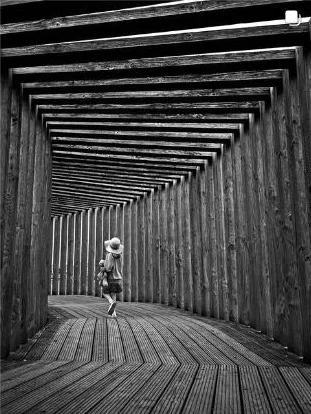
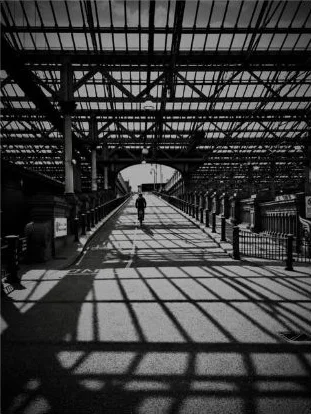
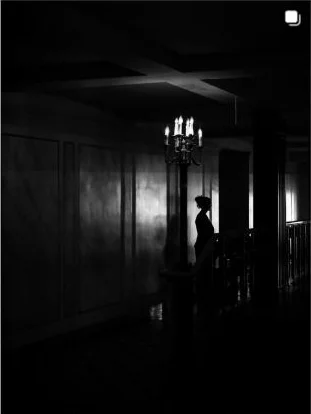
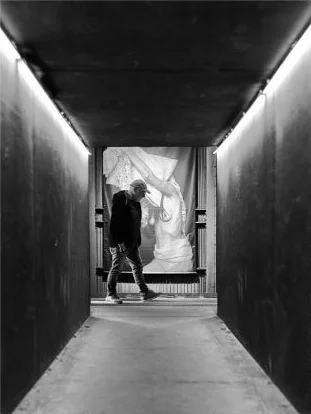
In Jason M. Peterson’s photographs, light cuts out figures and gives the city graphic density. Architecture, passages and shadows form a high-contrast monochrome language. Find the largest dark mass, then the detail that interrupts its rhythm.
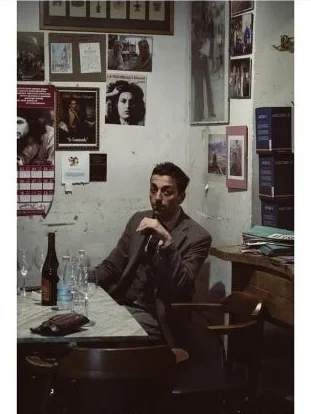
Gestures, objects and backgrounds meet unexpectedly in Tavepong Pratoomwong’s pictures. Colour and overlapping planes turn the street into a small visual theatre. Separate foreground from background before deciding what actually touches.
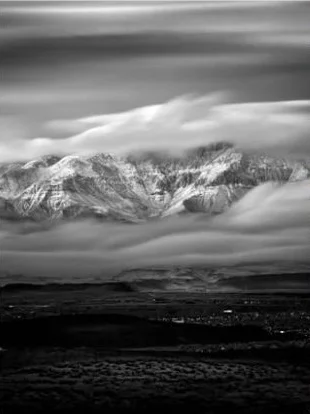
Mitch Dobrowner photographs landscapes and storm formations in black and white. Clouds, ground and small earthly markers create a powerful sense of scale. Compare sky and ground: where does the visual weight sit?
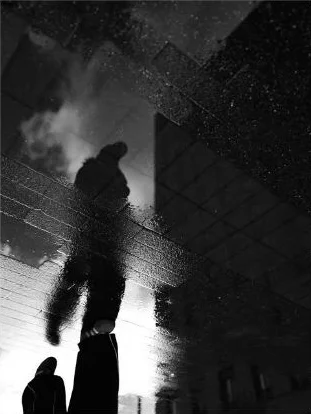
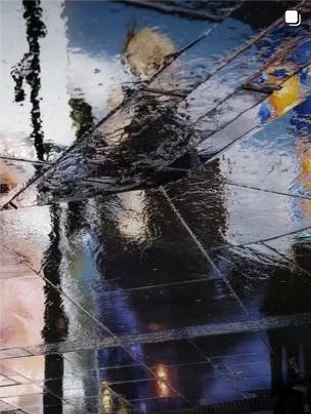
New York becomes a texture of snow, rain and reflections. Observe the relationship between the passer-by and the architecture: who really plays the leading role?
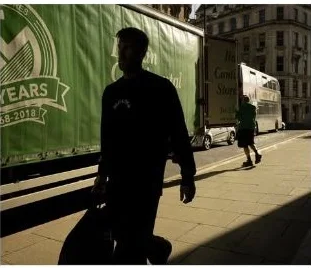
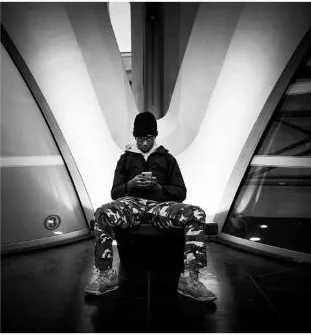
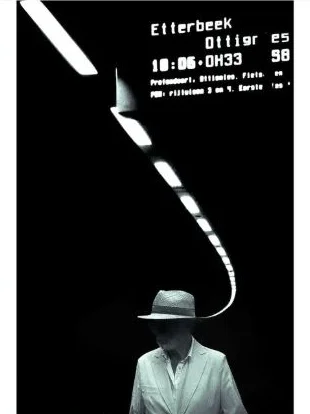
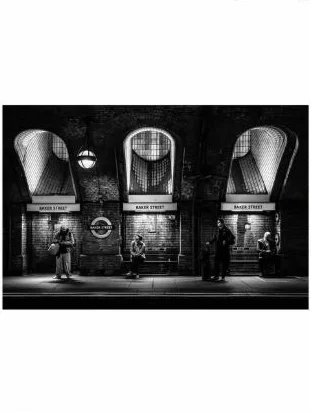
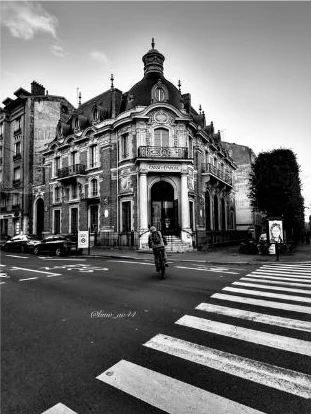
The street, its shadows, its passers-by: black and white brings together the city’s shapes and the life moving through them. Follow the diagonals, then observe how a person gives them rhythm.
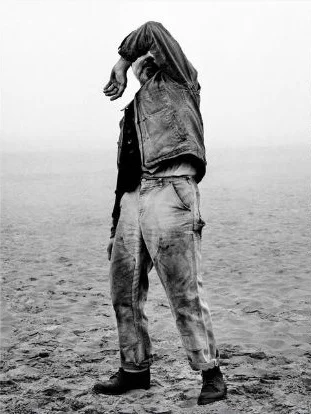
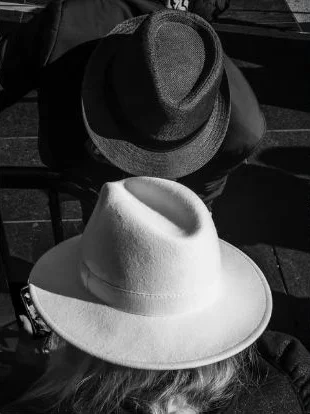
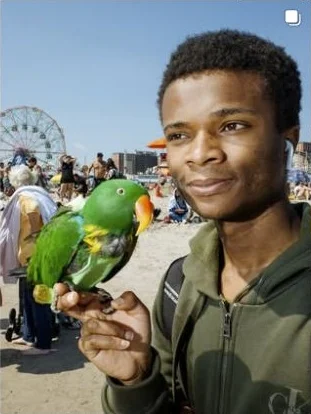
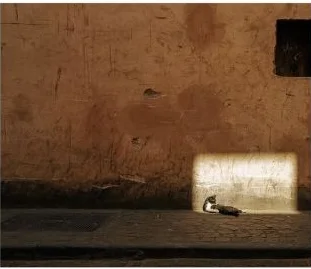
Gestures, animals and layers echo one another in unexpected visual encounters. Look at the distances: do things that appear to touch occupy the same plane?
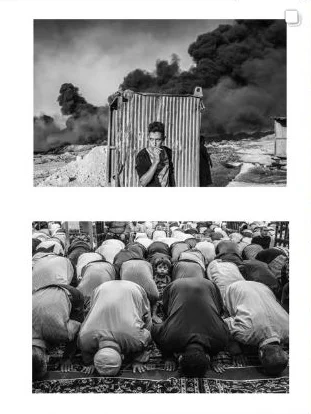
Landscapes become spaces in which to seek a presence, a line, a rhythm. Start with the lightest areas, then observe how the dark masses establish a balance.
Mitch Dobrowner photographs landscapes and storm formations in black and white. Cloud masses, open ground and small landmarks convey the scale of the scene.
Gestures, objects and backgrounds meet unexpectedly in Tavepong Pratoomwong’s pictures. Colour and overlapping planes turn the street into a small visual theatre.
In Jason M. Peterson’s photographs, light cuts out figures and gives the city graphic density. Architecture, passages and shadows form a high-contrast monochrome language.
Vassilis Tangoulis creates landscapes in which water, trees and isolated objects become almost abstract. His monochrome portfolio explores tonal transitions and spare compositions.
Nick Brandt’s work connects human and animal presences with the places they inhabit. His compositions invite us to read subjects, landscapes and environmental change together.
Joel Tjintjelaar treats buildings as relationships between lines, surfaces and light. His monochrome work emphasises volumes and transitions between bright and dark masses.
Architect and photographer Julia Anna Gospodarou develops a structured reading of volumes and landscapes. Contrasts and gradients in her monochrome work bring spatial relationships forward.
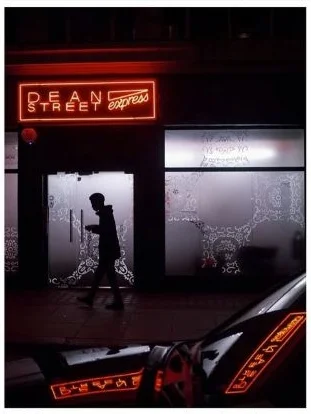
Paola Franqui, known as Monaris, observes street presences and atmospheres. Colours, reflections and light create scenes that seem to extend beyond the frame.
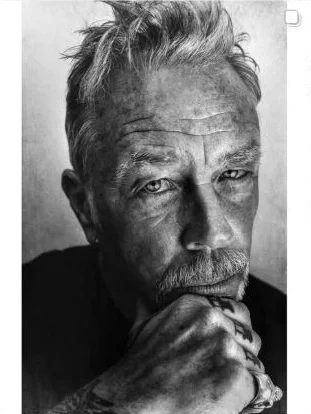
Lee Jeffries’ portraits give attention to eyes, textures and light. Monochrome concentrates our attention on a presence without allowing us to reduce a person to a guessed story.
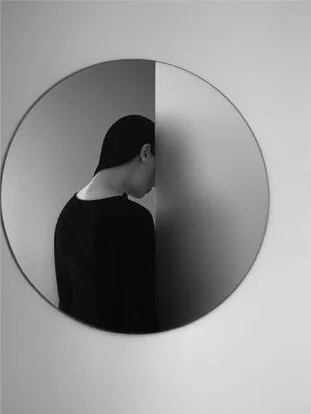
Noell Oszvald creates precise relationships between the body, objects and geometric shapes. Monochrome brings human presence, abstraction and staging into dialogue.
Romain Laprade observes architecture, passages and details of the built environment. Coloured surfaces and light create places with a suspended sense of time.
Anton Corbijn’s portraits connect photography, music and staging. Grain, texture and monochrome contrast create a presence beyond simple celebrity recognition.