Antonio Beato
after 1832–1906 · United Kingdom
A body of work made mainly in Egypt.
Explore 10 works ↓Life and work ↓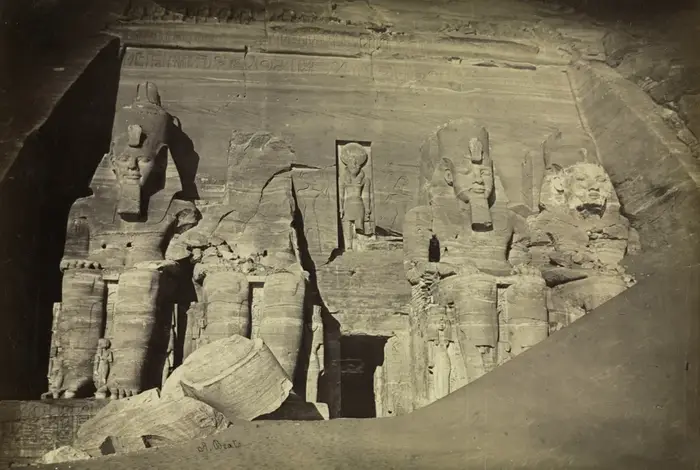
Antonio Beato · c. 1860s
John L. Severance Fund · Cleveland Museum of Art
CC0 · Artwork record
A vision in photographs
10 worksA journey through images.
Available photographs can be enlarged.
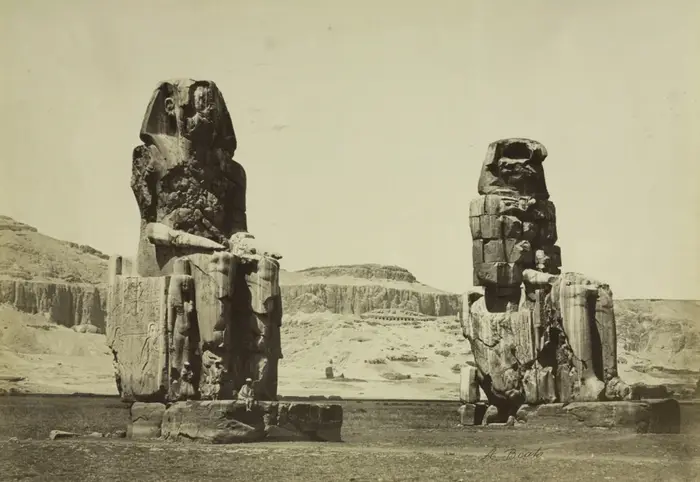
Antonio Beato · c. 1860s
John L. Severance Fund · Cleveland Museum of Art
CC0 · Artwork record
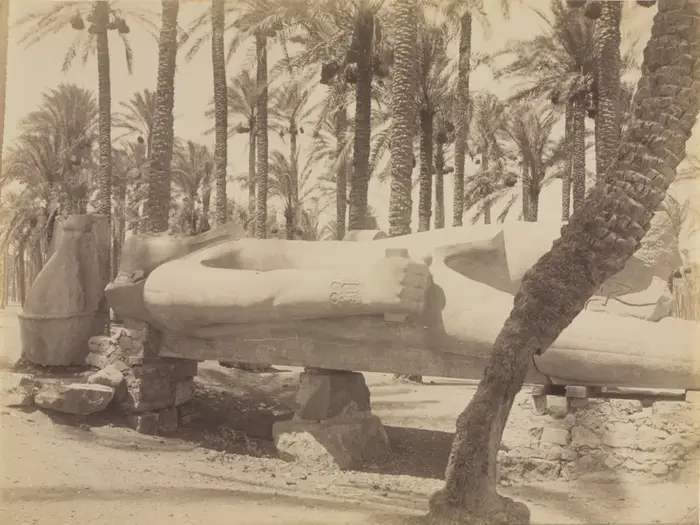
Antonio Beato · c. 1870s - 1880s
Gift of Virginia M. Zabriskie · Cleveland Museum of Art
CC0 · Artwork record
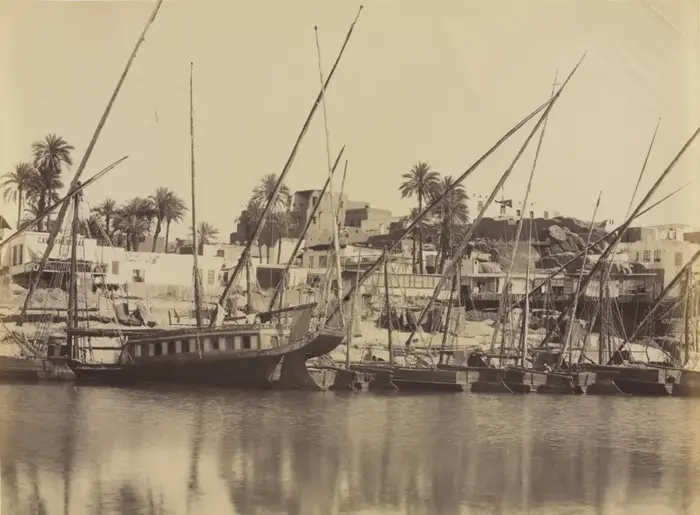
Antonio Beato · c. 1870s - 1880s
Gift of Virginia M. Zabriskie · Cleveland Museum of Art
CC0 · Artwork record
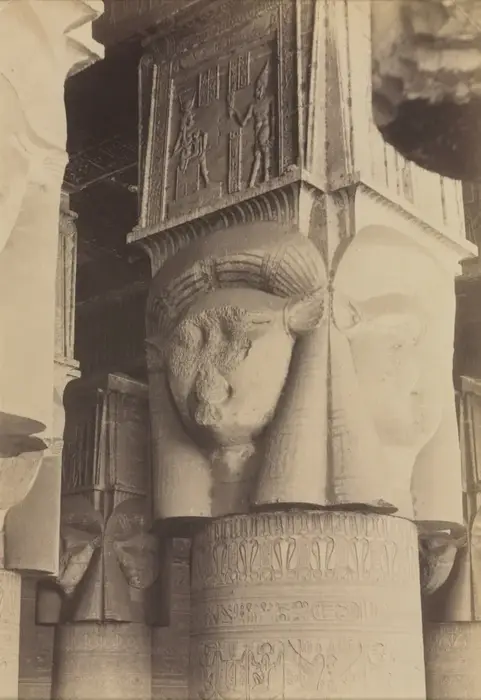
Antonio Beato · c. 1870s - 1880
Gift of Virginia M. Zabriskie · Cleveland Museum of Art
CC0 · Artwork record
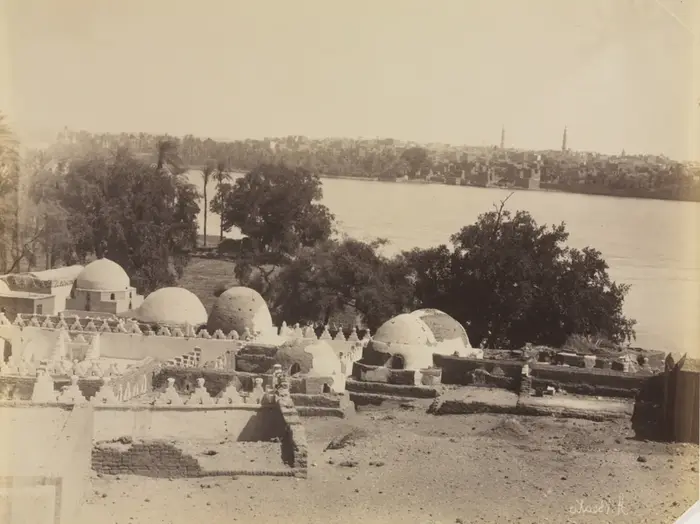
Antonio Beato · c. 1870s -1880
Gift of Virginia M. Zabriskie · Cleveland Museum of Art
CC0 · Artwork record
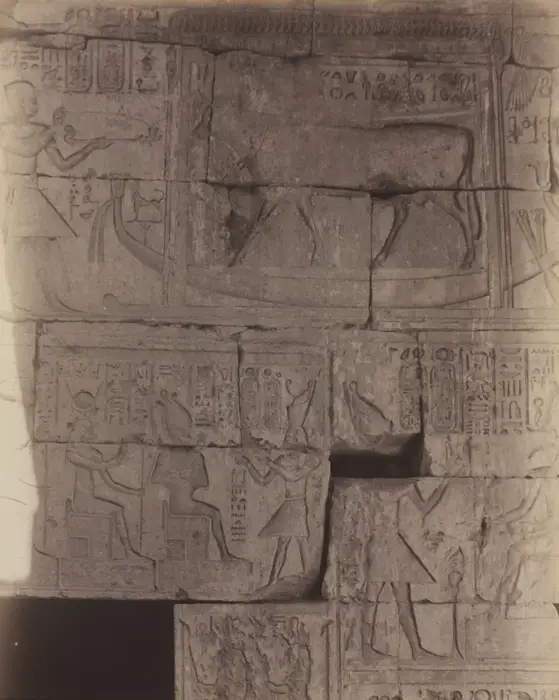
Antonio Beato · c. 1870s - 1880
Gift of Virginia M. Zabriskie · Cleveland Museum of Art
CC0 · Artwork record
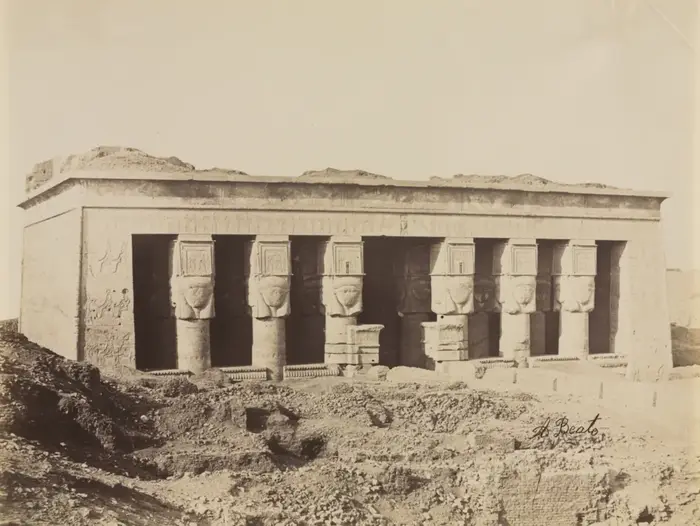
Antonio Beato · c. 1870s - 1880s
Gift of Virginia M. Zabriskie · Cleveland Museum of Art
CC0 · Artwork record
Original photograph not displayedAre you the photographer or their representative? Authorize display of your original photographs.
Work and source
Referenced work : View from the Citadel, Cairo · 19th century · Antonio BeatoOfficial work ↗Original photograph not displayedAre you the photographer or their representative? Authorize display of your original photographs.
Work and source
Referenced work : The funerary complex of Mamluk Sultan al-Ashraf Qaytbay, Cairo · 1860-1906 · Antonio BeatoOfficial work ↗Each photograph links to its portfolio or collection record. Titles, dates and credits are retained when supplied by the source.
The story
Antonio Beato worked primarily in Egypt, unlike his brother Felice, with whom his photographs have sometimes been confused. His monument and site views helped circulate photographic images of the country in the nineteenth century.
Understanding the work
Observe sunlight direction and architectural proportions.
Key works and series
Temple of Ramesses II, Abu Simbel ; The Colossi of Memnon, Thebes ; Statue of Ramesses at Saqqara ; View of Aswan - Along the Nile.