Albert Renger-Patzsch
1897–1966 · Germany
The structure of things, from plant to factory.
Explore 10 works ↓Life and work ↓A journey through images.
Available photographs can be enlarged.
Work and source
Referenced work : Heterotrichum Macrodon · 1922 · Albert Renger-PatzschOfficial work ↗Work and source
Referenced work : Pitmen's houses in Essen, Stoppenberg · 1929 · Albert Renger-PatzschOfficial work ↗Work and source
Referenced work : Window of a Building by Hanns Schwippert · 1930 · Albert Renger-PatzschOfficial work ↗Work and source
Referenced work : Pine Trees in Nuremberg State Forest · c. 1955 · Albert Renger-PatzschOfficial work ↗Each photograph links to its portfolio or collection record. Titles, dates and credits are retained when supplied by the source.
The story
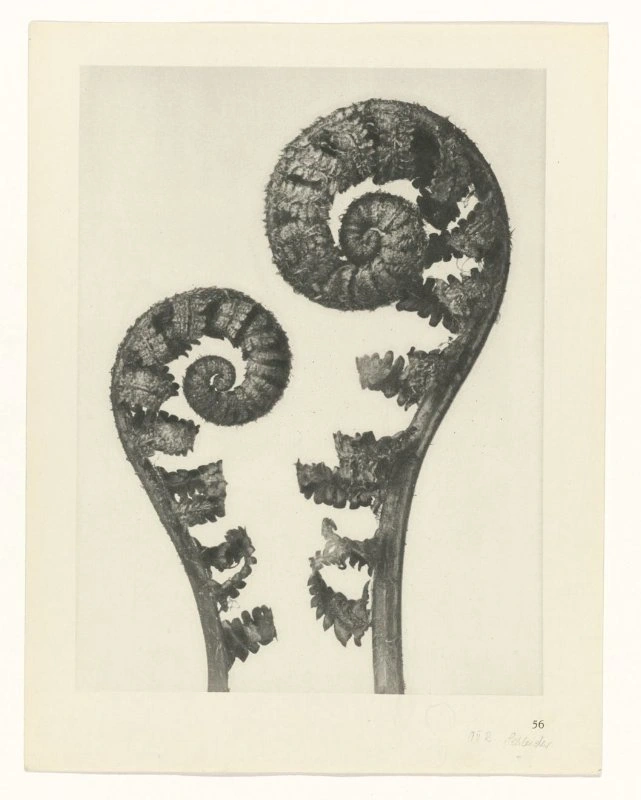
Albert Renger-Patzsch sought precise descriptions of plants, objects, buildings and industrial landscapes. His book Die Welt ist schön, published in 1928, brings these families of forms together. Associated with New Objectivity, he championed the distinctive means of photography: sharpness, texture and viewpoint. His work on the Ruhr connects this formal attention to tangible changes in the landscape.
Understanding the work
Compare the structure of a plant with that of a machine. Repetition, texture and framing create connections without erasing the objects’ functions.
Key works and series
Die Welt ist schön; plants; industrial landscapes of the Ruhr.
Sources & further exploration
Works in collections.
10 recordsPhotographs to explore on museum and library websites, with titles, dates and processes. Each link opens the collection record and its image where one is available.